

The Château de Roche has stood above the valley for nine centuries. What follows is its story – told through the people who built it, fought over it, lost it, and found it again. From the first lords of the tenth century to the marquises of the Ancien Régime and beyond, each era left its mark in the stone. This is the history of all of them.

LES ORIGINES
~900 – La fondation
The Château de Roche was built during the 10th century as a fortified stronghold on the last ridge above the river Loue, commanding the ancient Roman road between Quingey and Salins-les-Bains. Known then as Roche-en-Valouais, the castle comprised a great tower and two courtyards surrounded by moats – a position of unmistakable strategic importance in the feudal landscape of the Franche-Comté.
1080 – Étiennette, Comtesse de Bourgogne
The château belonged to the defence network of Guillaume II le Grand, Count of Burgundy, and his wife Étiennette, Countess of Burgundy. Guillaume was among the most powerful rulers in the region, and the couple's legacy extended far beyond military fortification – their son Guy would become Pope Callixtus II in 1119, making Roche part of a lineage that reached the very seat of Christendom.
1240 – Jean de Chalon
By the mid-13th century, the château had entered the orbit of Jean de Chalon, Count of Chalon and Lord of Salins, known as Jean le Sage. One of the most formidable lords of medieval Burgundy, Jean extended his authority from the salt-producing town of Salins across a vast domain stretching to Besançon, Dôle, Pontarlier, and into Switzerland. Under his influence, the château occupied a key position in the political geography of the region.
1266 – Guy de Rans
In 1266, Guy de Rans received the seigneury of Roche en Valouais from his father Richard III de Chay. The family of Rans would hold the fief through the late 13th century – documents from the period record Guy's engagement of the mills of Roche and various transactions with neighbouring lords, reflecting the economic vitality of the estate along the Loue.
1326 – Alliance Roche–Darbonnay
In 1326, Catherine de Roche married Matthieu de Darbonnay, uniting the two families and anchoring the château within the Darbonnay lineage for well over a century. Their descendants – Guillaume, André, Claude, and Jacques de Darbonnay – appear across the archival record in land disputes, river treaties, and feudal obligations, testimony to the family's enduring presence at Roche through the turbulent 14th and 15th centuries.
LES SEIGNEURS
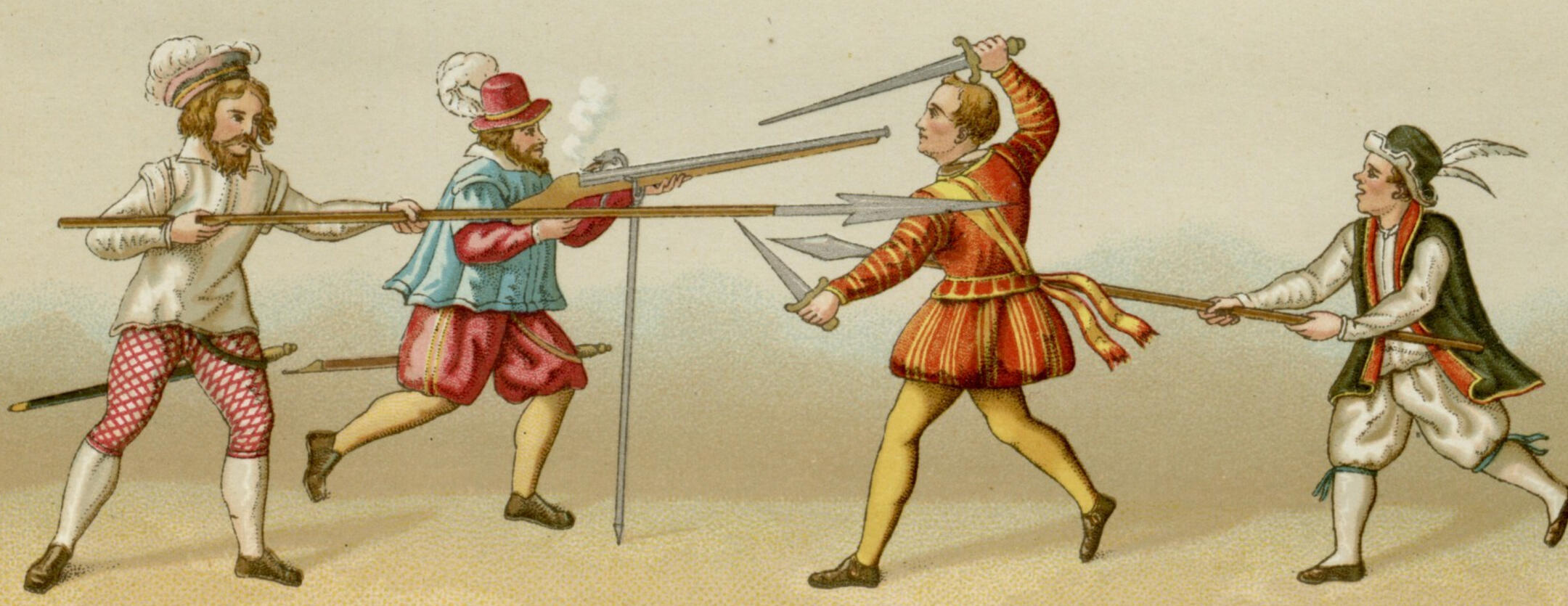
1537 – Jean de Poupet
By 1537, the seigneury of Roche had passed to Jean de Poupet, chevalier, seigneur de la Chaux and Crévecoeur, counsellor and gentleman of the chamber of the Emperor, and bailli d'aval in the county of Burgundy. On his death, the seigneury passed to his brother Guillaume de Poupet, abbot and commendatory administrator of the abbeys of Baume, Goailles, and Ballerme – a figure of considerable ecclesiastical authority in the Franche-Comté.

1584 – Andremont de Pracontal
Following the death of Guillaume de Poupet, the château passed to Andremont de Pracontal, chevalier and baron, seigneur of Fourg and Roche en Valouais, who had been designated legatee by decree in 1660. The Pracontal family consolidated their hold on the estate, with Bénigne de Pracontal eventually becoming the sole seigneur of Roche after a family settlement in 1614.
1638 – Château Rouillaud détruit
In 1636, the Grange Jouffroy – the western fortress of the domain – was completely burned by French soldiers during the devastation of the Franche-Comté in the Thirty Years' War. It lay in ruins until its reconstruction in 1657, but the destruction left the Château de Roche as the sole standing stronghold of the seigneury.
1664 – Ferdinand de Rye
In 1663, the terre de Roche was adjudicated to Éléonor Ferdinand de Poictiers, dit de Rye, Comte de St Vallier, Marquis de Varambon – a figure of considerable military and political stature in Burgundian affairs. The acquisition, at a price of 80,000 francs with the seigneury of Buffard included, brought the château into one of the region's most prominent noble families.
LE MARQUISAT
1667 – Famille de Brun
In 1667, the brothers Philippe Félicien and Claude Ferdinand de Brun acquired the château. Sons of Antoine de Brun, minister plenipotentiary of the King of Spain – elevated to the barony in 1653 – the de Brun family brought both wealth and ambition to Roche. Claude Ferdinand, highly esteemed by Louis XIV, consolidated the estate and was granted letters patent at Versailles in January 1694 elevating the terre and seigneury of Roche and Souvans to a marquisate – a distinction ratified by the parlement of Franche-Comté that same year.
1694 – Le Marquisat de Roche
With the creation of the Marquisat de Roche, the château reached its zenith of prestige. The de Brun family had united under one roof the seigneuries of Roche and Château Rouillaud, and their influence extended across the judicial, military, and social life of the Franche-Comté. The chapel of the château was blessed in 1757 under the invocation of Saint Théodule, and it was in this chapel that the Comte de Scey-Montbéliard married Marie Thérèse Victoire de Grammont in 1763.
1756 – La grande reconstruction
In 1756, the Marquis de Grammont – Pierre, marquis de Grammont, seigneur de Villers-Sexel, lieutenant général des armées du Roy, and chevalier d'honneur au parlement de Besançon – undertook a magnificent reconstruction of the château. The present edifice rose between two square towers crowned with an imperial roof of Bavarian inspiration, an architectural style common in the neighbouring pays de Montbéliard. Terraces, formal gardens, and a fountain with waterjet were laid out in the grounds, while rows of boxed orange trees were carried each winter into the orangery – a direct echo of the horticultural splendour of Versailles. The rear façade, giving onto the Loue, mirrored the main elevation save for louvred openings replacing the triangular pediment, and the slope of the terrain revealed the full cellar level at ground height – vaulted in stone on square and rectangular plans, some walls possibly predating the 18th-century construction.
1775 – La Saline Royale
Just a few hundred metres from the château, the Royal Saltworks of Arc-et-Senans was constructed between 1775 and 1779 under the direction of Claude-Nicolas Ledoux, architect to Louis XV and Louis XVI. The Saline Royale was the first large-scale industrial complex designed to embody the ideals of the Enlightenment – a utopian vision of architecture, labour, and social order. Its presence would fundamentally reshape the destiny of the château and the surrounding lands.
1779 – Vente au Roi
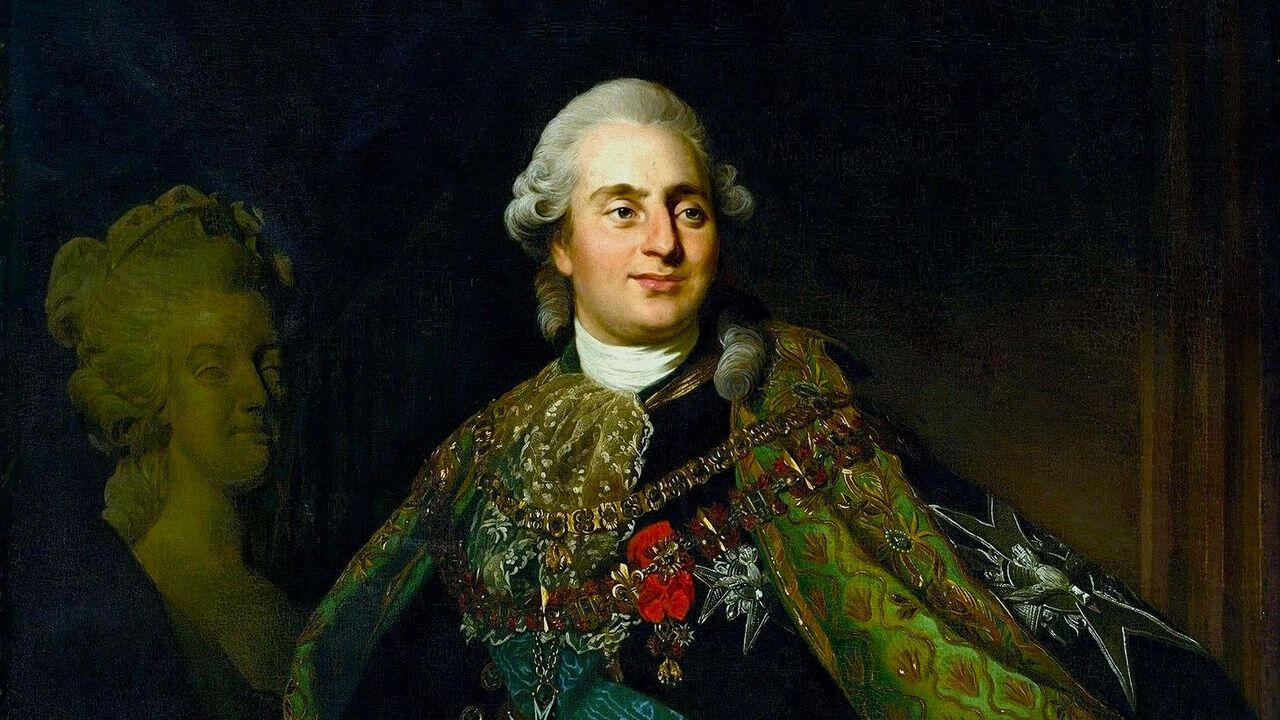
The construction of the Saline had already encroached upon the marquisat, prompting the Baron Diselin de Lanans – heir of the Grammont family – to claim compensation for the lands of which he had been dispossessed. The sale to the Crown was formalised on 16 March 1779 before notary Doillot at the Châtelet de Paris, at a price of 650,000 livres. The château, the land, and numerous dependencies thus passed to the royal domain of Louis XVI.
1783 – Nouveaux propriétaires
With the establishment of the Saline complete, the Crown put the terres and seigneuries of Roche and Château Rouillaud up for adjudication. In 1783, the properties were acquired by the Marquis de Jouffroy de Précipians, Baron and seigneur de Soye, a former captain in the King's infantry regiment, and his wife Marguerite Gilberte Richard de Prantigny, at a price of 450,000 livres. After the Marquis's death, the property passed to his brother the Comte de Jouffroy, who sold it in 1784 to M. de Bussière for 470,000 livres. The Renouard de Bussière family in turn sold to Claude Jean Jacques Bovet, resident of Boudry in the county of Neuchâtel, Switzerland, in 1798 – the first of several Swiss proprietors in the château's modern history.
L'ÈRE MODERNE
1864 – Famille Caron
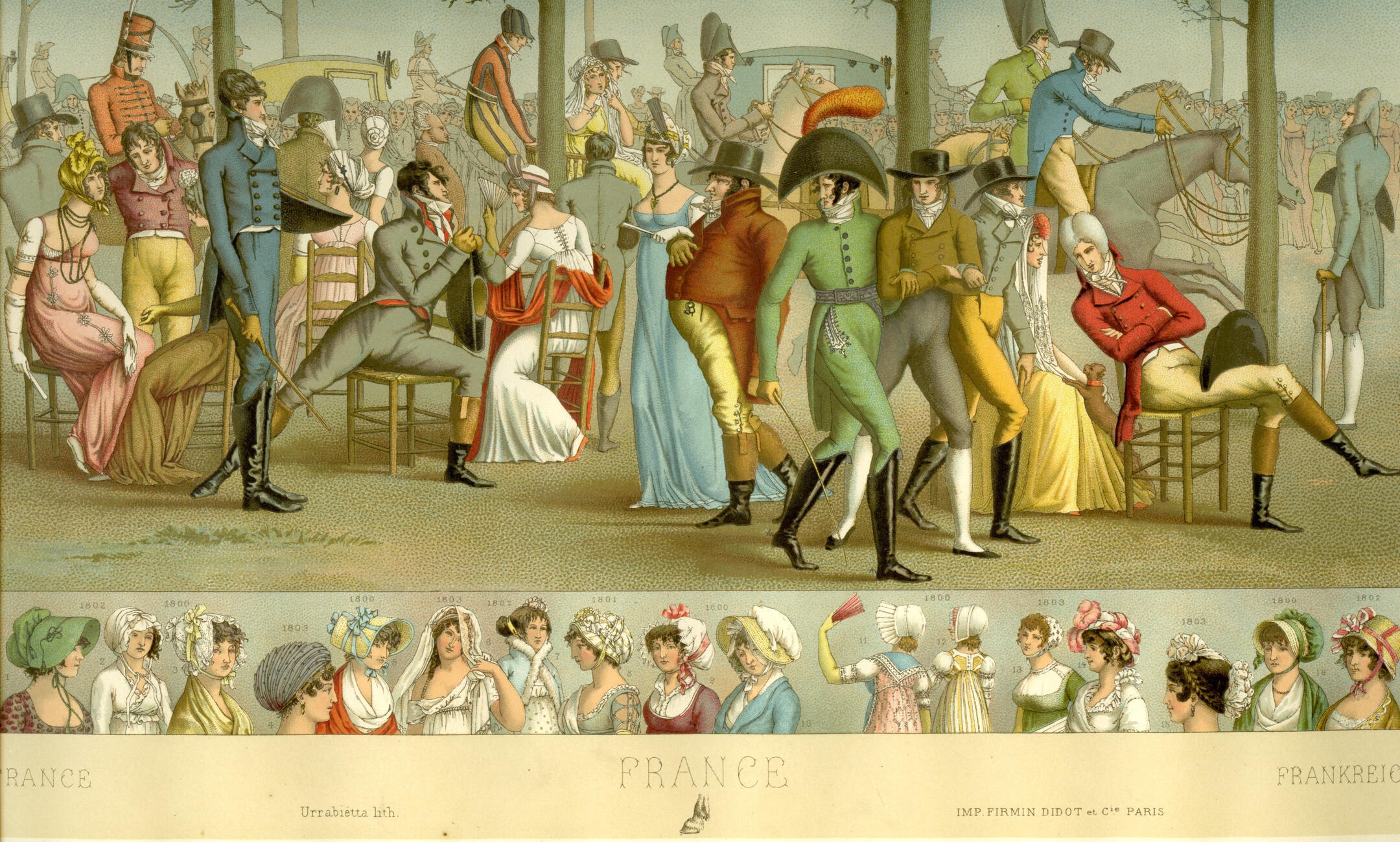
In the second half of the 19th century, the Caron family transformed the Château de Roche into a centre of rural industry and employment. Amédée Caron established logging operations, a sawmill, a carpentry workshop, and dairy production on the estate. At its peak, over a hundred local workers were employed at the château – a remarkable economic engine for the commune of Arc-et-Senans.
1864 – Famille Caron
In the second half of the 19th century, the Caron family transformed the Château de Roche into a centre of rural industry and employment. Amédée Caron established logging operations, a sawmill, a carpentry workshop, and dairy production on the estate. At its peak, over a hundred local workers were employed at the château – a remarkable economic engine for the commune of Arc-et-Senans.
1870 – Guerre franco-prussienne
During the Franco-Prussian War of 1870–1871, the château was requisitioned by occupying forces and served as the headquarters of Prussian General Edwin von Manteuffel, commander of the German southern army. The château's strategic riverside position, which had defined its purpose since the 10th century, once again placed it at the centre of military events.
1974 – Monument Historique
On 21 February 1974, by decree of the Minister of Cultural Affairs and upon the recommendation of the Commission Supérieure des Monuments Historiques, the facades, roofs, terrace, and 18th-century retaining wall of the Château de Roche were inscribed on the Inventaire Supplémentaire des Monuments Historiques – officially recognising the château as part of France's protected architectural heritage.
2006 – Reto Erdin
In 2006, Swiss notary and banker Reto Erdin acquired the property, overseeing a new chapter in its preservation and development.
2013 – Famille Van Eeden
In 2013, the Van Eeden family became the current stewards of the Château de Roche – guardians of a thousand years of history on the banks of the Loue.
The Story Continues
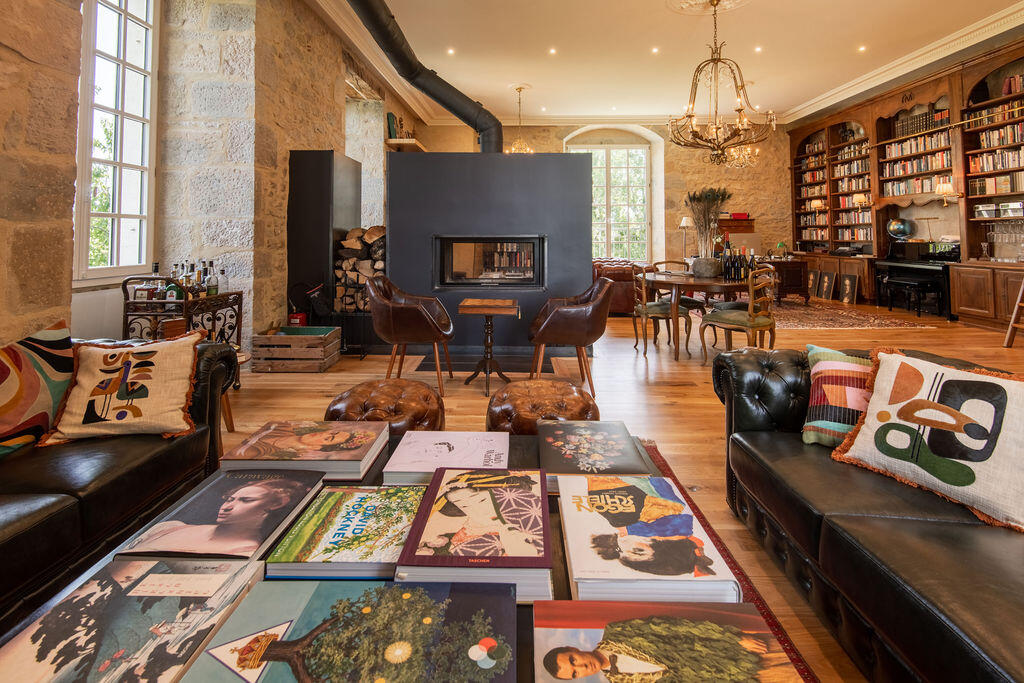
Nine centuries of history live in these walls. From the first fortress raised above the valley to the elegant Marquisat of the Ancien Régime, every generation left its mark – in stone, in name, in the shape of the land itself.Today, the Château de Roche is waking again. The same rooms that hosted the lords of Chalon and the marquises of Grammont are being brought back to life — not as a museum, but as a place to be lived in, walked through, and felt.
Come and see for yourself. Stand where nine centuries have stood before you.


© Edenroche Limited 2025. All copyright and other intellectual property rights in all logos, designs, text, images, and other materials on this website are owned by Edenroche Limited or appear with permission of the relevant owner. ‘Edenroche’ is a registered trademark. All rights reserved.
